Here We Go Again

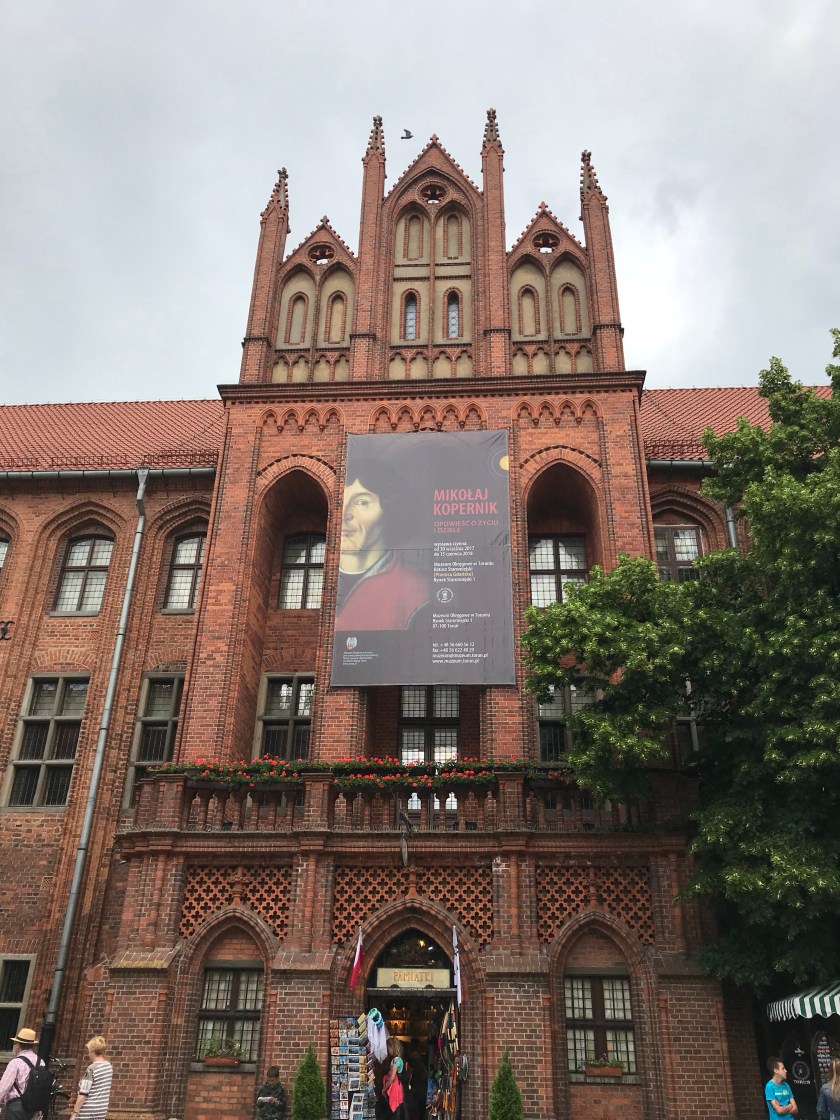
Leaving our medieval accommodations in Gdańsk, we’re on the move again to the medieval city of Toruń. Toruń is famous for 2 things – the ruins of a Teutonic Knights Castle and gingerbread. Arriving, we set off for a stroll around the old town. Toruń is fortunate in that WWII left it largely unscathed. Many of its buildings date from the 13th & 14th centuries.
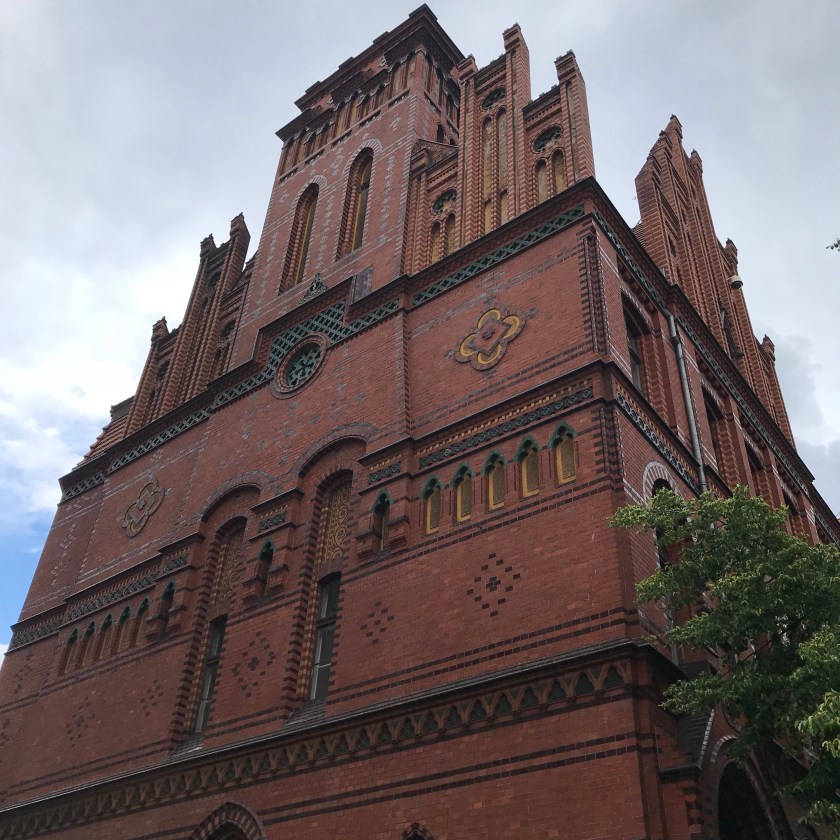
After a light lunch we continued our walk. There are 2 famous statues near the Town Hall. One is of a rafter (medieval lumberjack) who, in a Pied Piper-like fashion, fiddled an infestation of frogs out of town. The other is a ubiquitous statue of Copernicus, a native son of Toruń.

A little further on we came across a statue of a donkey with a metal ridge along its back. An apparent form of punishment was to sit astride this ridge while weights were tied to your ankles – ouch!

After stumbling upon a famous gingerbread store we picked up a few samples. At this point the previously cloudless sky erupted with thunder and lightning and down came the rain. We scurried back to our hotel room for a rest.

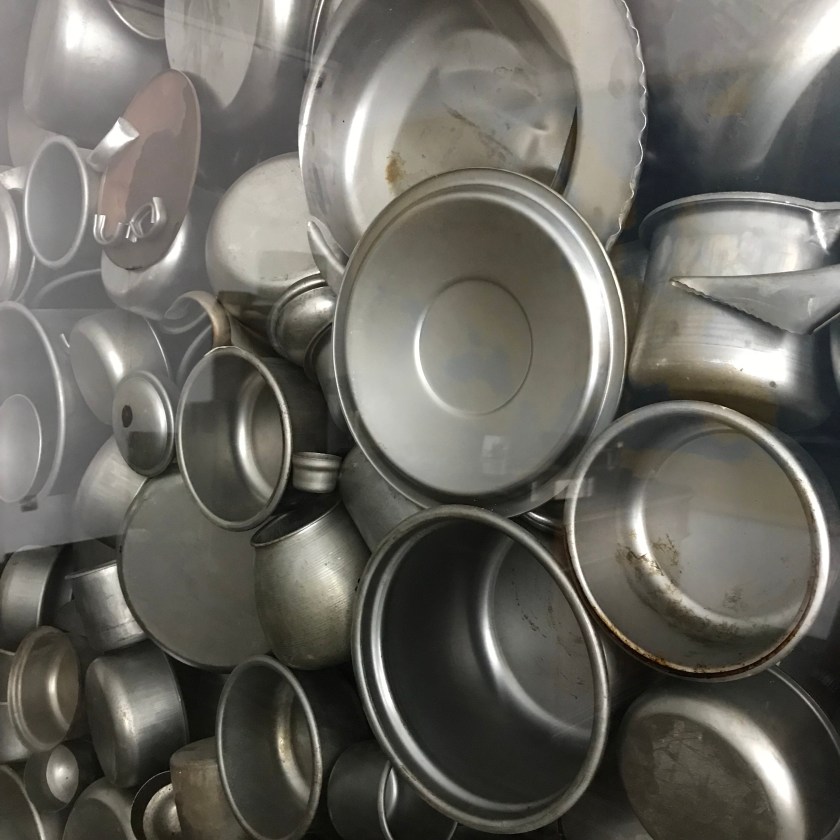
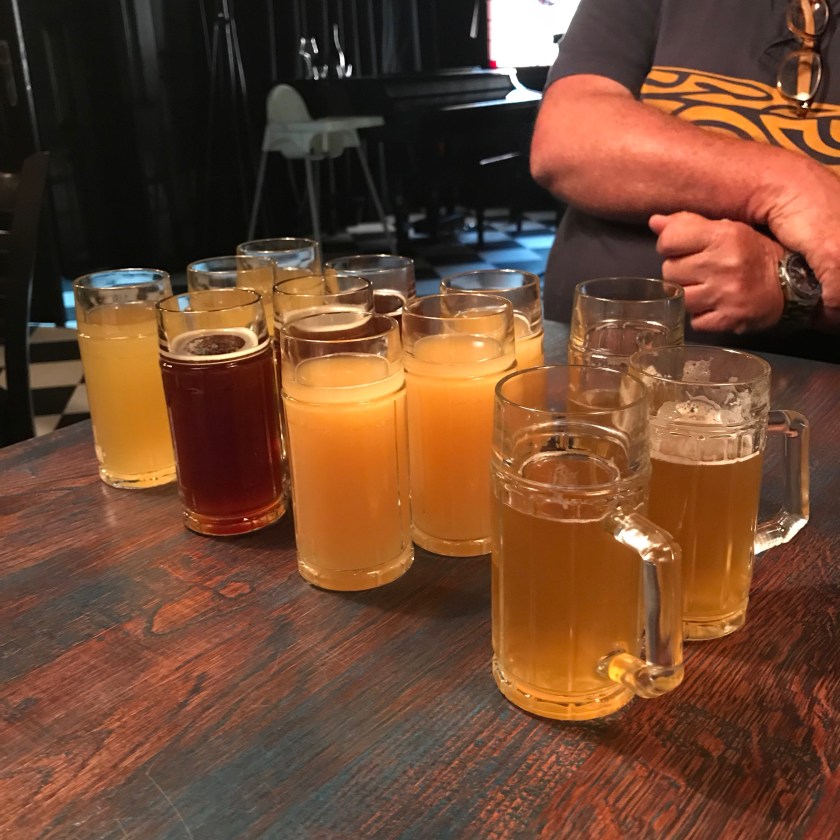
After a couple of hours the skies had cleared and we headed off to Jan Olbracht Brewhaus to sample some of its famous gingerbread beer. Settling in, we sampled a variety of their house beers. The menu looked good so we ordered dinner. Dana ordered goulash soup for a starter and it was served in a metal pot suspended over a candle to keep it warm. The rest of the meals were enormous and delicious.
After a bit more strolling we called it a day.

A day at the Beach

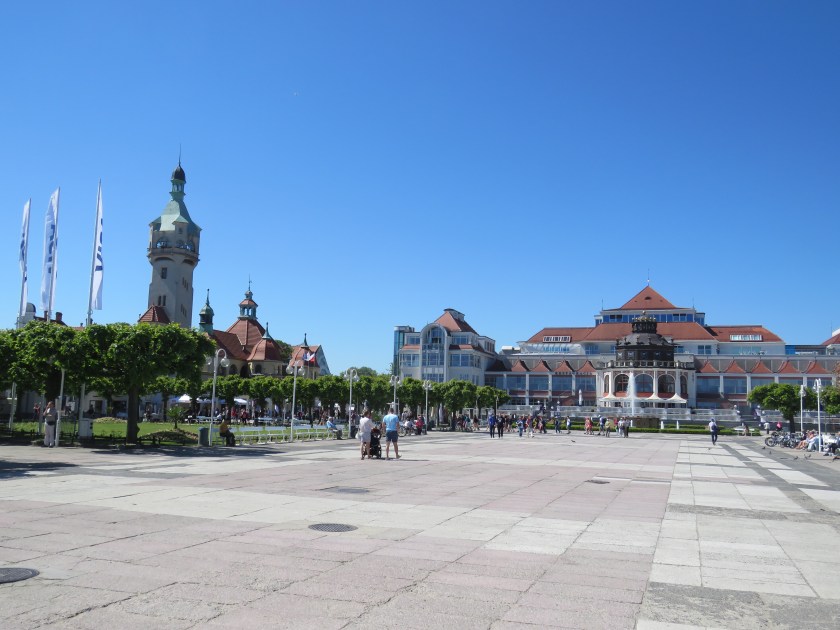
Yes, you heard it right. Beach. Poland has beaches. The best is at Sopot, a 15 minute train ride from Gdańsk. Sopot was created by Napoleon’s doctor who thought the Baltic waters would be therapeutic. Known as the “Nice” of the Baltic, grand hotels and casinos soon sprang up. The casinos are gone but the Poles still flock to Sopot for their vacations. Sopot is Poland’s answer to White Rock except it’s on steroids and doesn’t have the blue rinse mafia making sure no fun could be had. The beach is fine grain, talc-like sand and stretches to the horizon in both directions. The highlight is the longest wooden pier in Europe. After buying a bag of gummy bears we proceeded to hike the pier and, in a flashback style, checked out the sailboats.

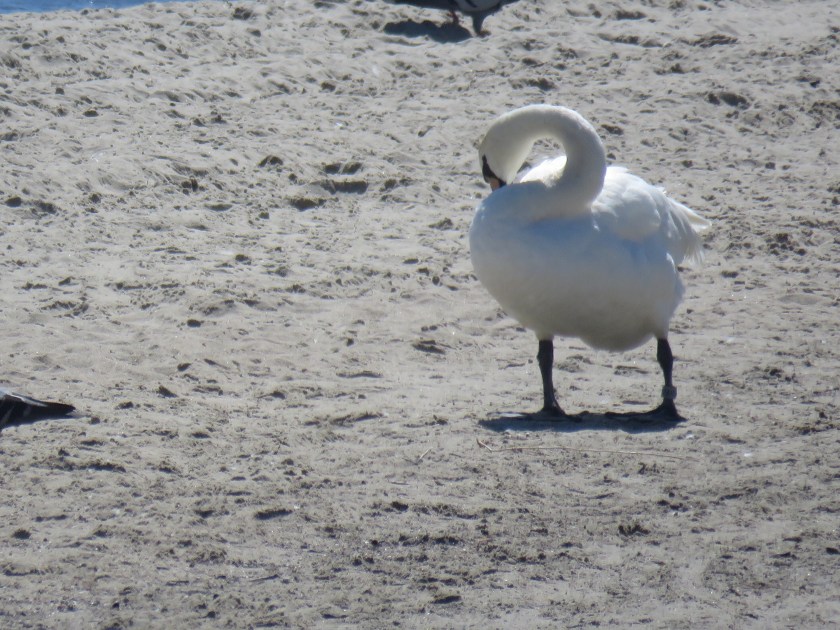
A couple of things we noticed on our pier walk were: 1. swans in the sea.

And 2. how domesticated the seagulls have become. For example here is Judy with her new best friend, Heathcliff.

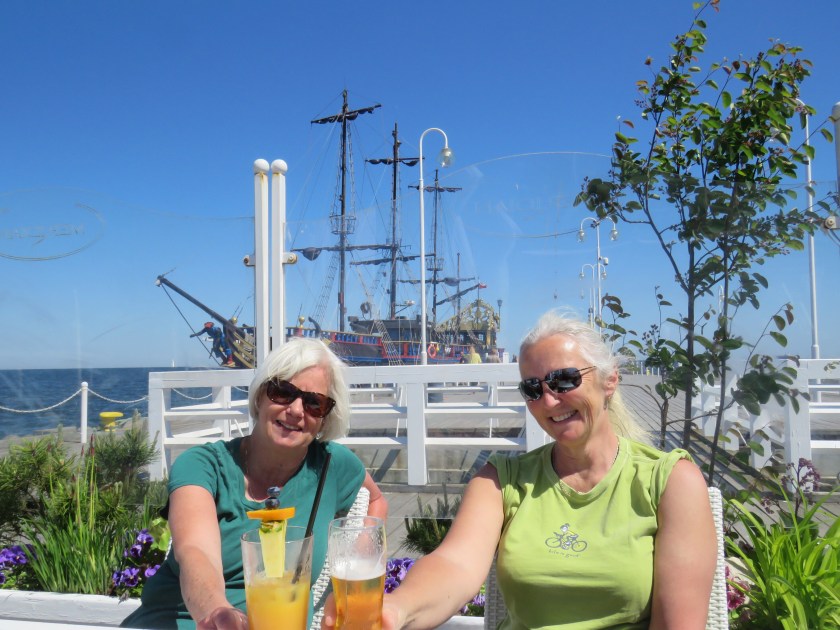
After drooling over some really fancy sailboats we stopped for a cold one in the outdoor cafe/beer garden on the pier, something White Rock city council would never allow.

Heading back to the train station we passed the Gaudi-inspired crooked house and about a mile and a half of restaurants and trinket and trash shops.

All the walking and sun had pretty much drained us so back to Gdańsk for an early dinner and turn in.

A Day at Sea

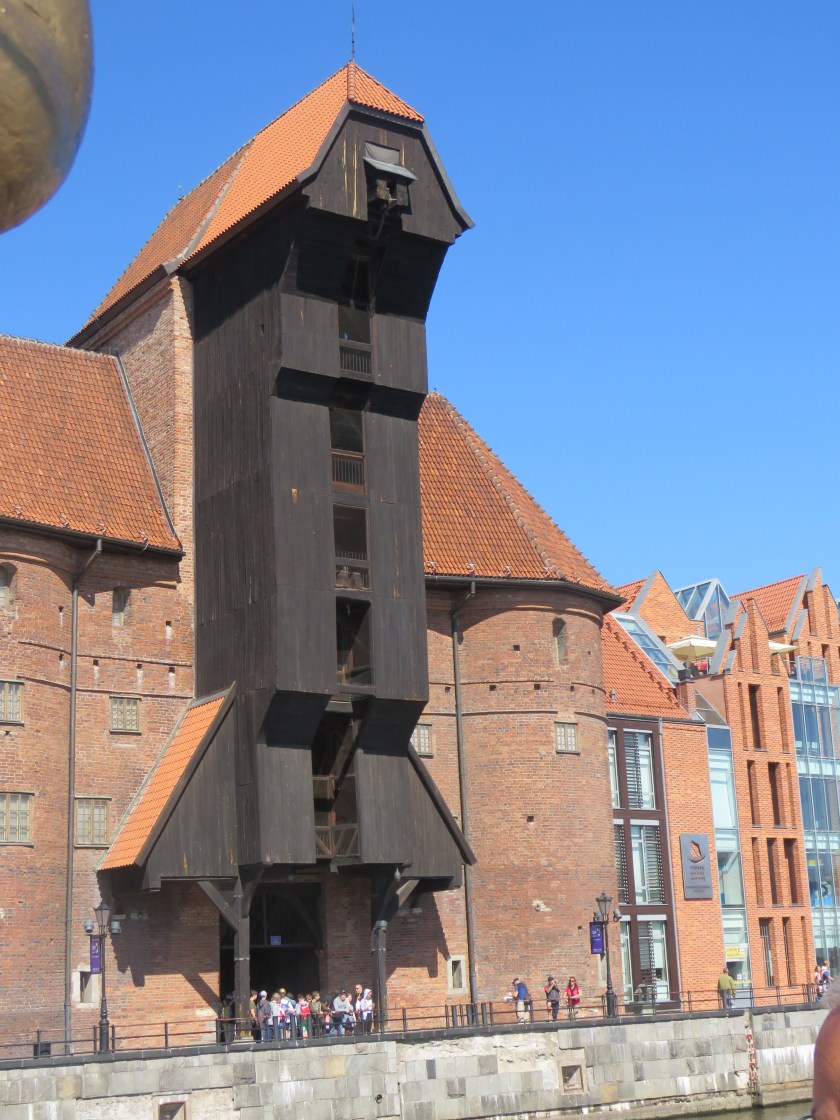
Deciding to take a boat trip out to Westerplatte Peninsula, we boarded the good ship Lew (Lion). A really kitschy mock pirate ship and tourist magnate. Passing by the medieval crane and the remains of the immense Lenin Shipyard we arrived at Westerplatte.

Westerplatte Peninsula was the site of the first shots being fired that began WWII. It is now a shrine, sort of like the Polish Alamo where just over 200 Polish soldiers held off over 3500 Nazis for a week.

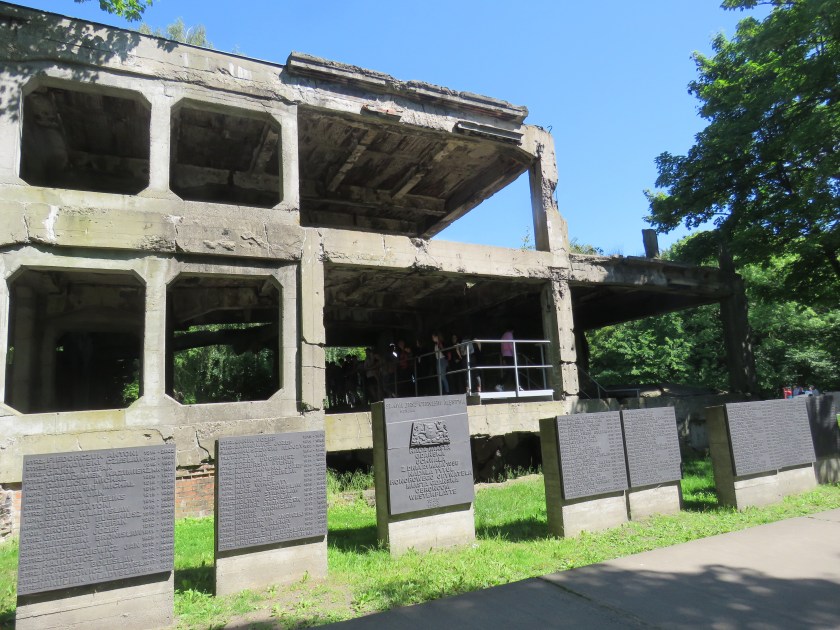
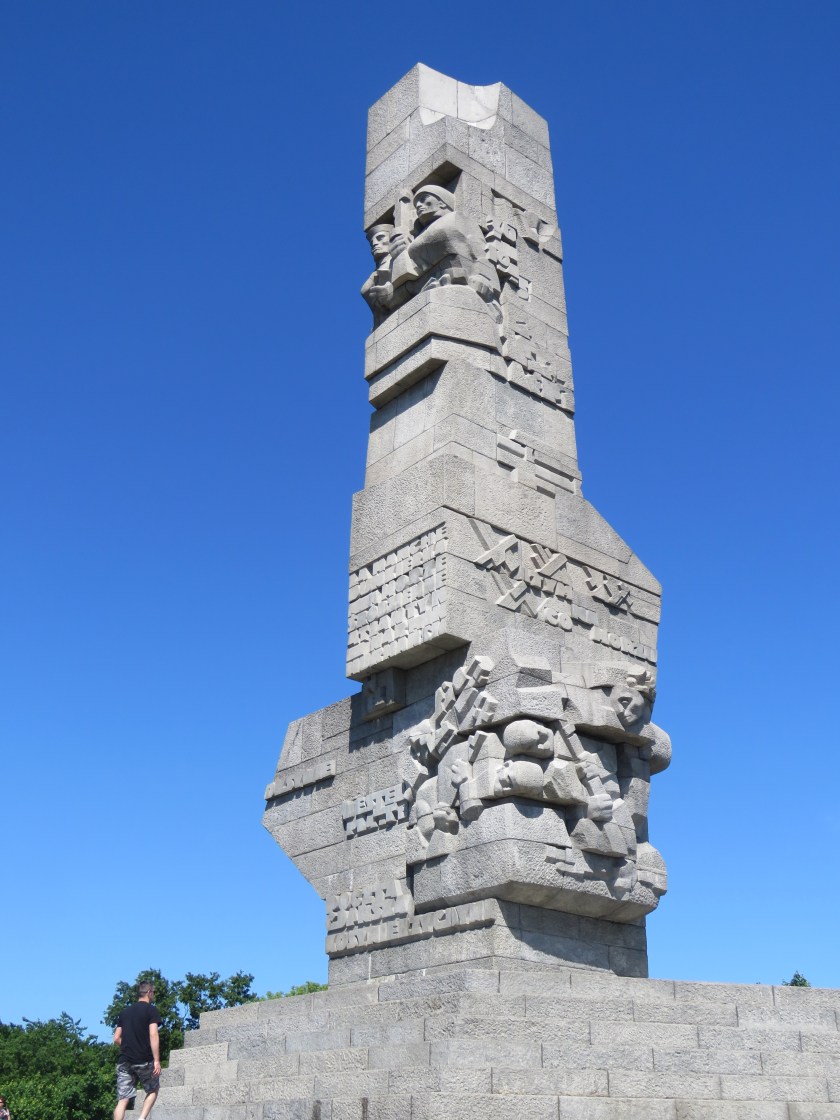
Walking out past the remains of the Polish installation we walked out to the point where a tall monument stands.

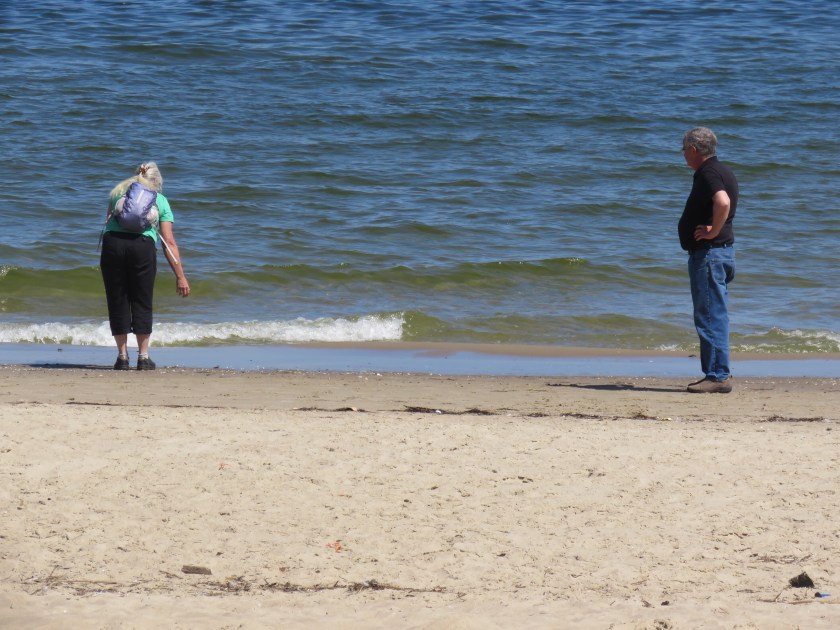
Heading back to meet up with our ship Dana and Liz stopped long enough to dip their toes in the Baltic Sea.

To our horror they loaded one of the many Polish school kid groups on the ship with us. Arriving back at Gdańsk we stopped for a nutritious lunch of the delicious Polish donuts. After a rest and dinner we wandered the streets listening to various buskers. A female string quartet and a solo guitarist/singer, who did an amazing cover of Pink Floyd were among our favourites.

Let’s Gdansk

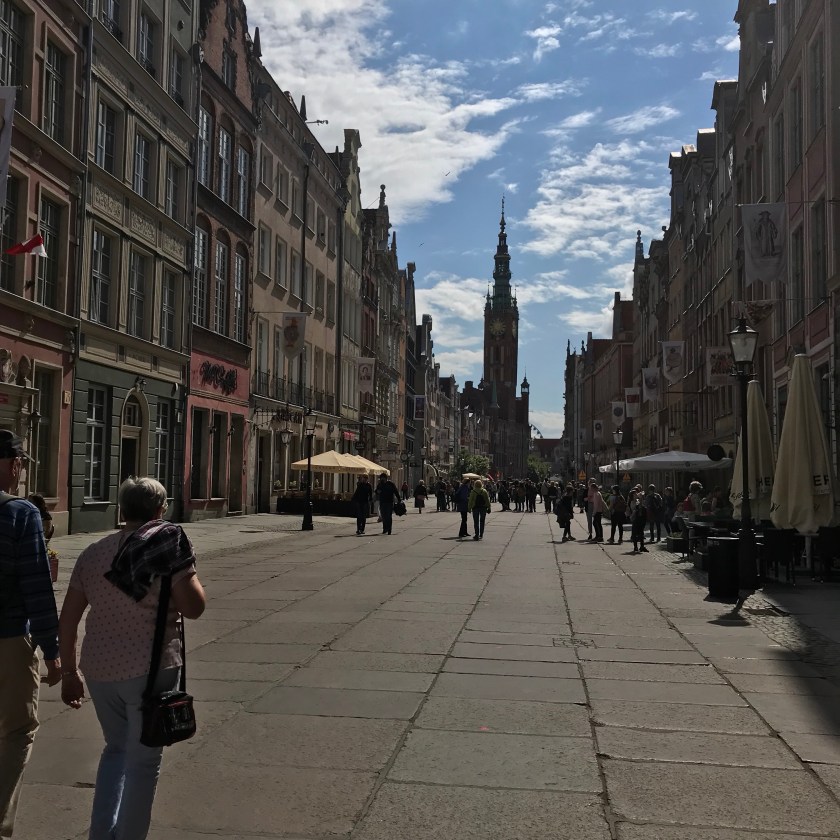
It is going to be a very hard call but Gdansk might be the prettiest city yet. It definitely has the highest concentration of beautiful buildings anywhere. First thing – our self-guided walking tour. Beginning at the Golden Gate, the main entrance to the Old Town, we proceeded down yet another Royal Way. You get whiplash craning your neck looking up at all the beautiful buildings. Gdansk was for a long time the richest city in Poland. It was the export centre for grain from the Ukraine and Poland. It was a member of the Hanseatic Trade League and the rich merchants built their mansions along this street.

We stopped along the way at the old classic post office. Then proceeded towards the harbour just in time to catch a noisy street demonstration.

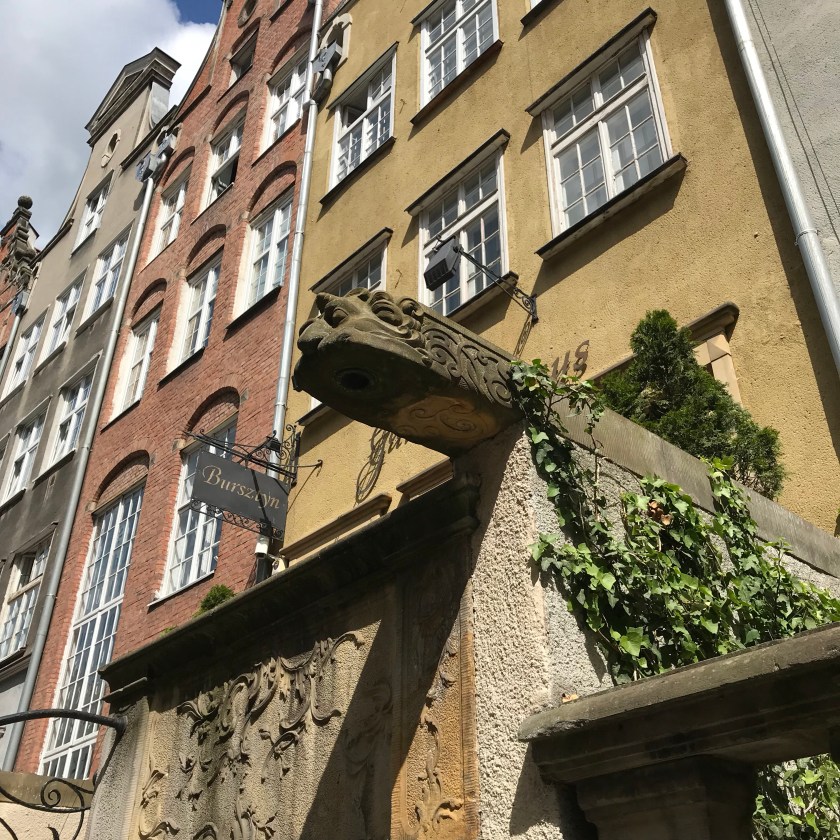
We headed back up the Amber sellers’ street to the Armoury. The downspouts on these buildings are extended out into the street with ornamental dragon’s heads, the people call them “pikers”.
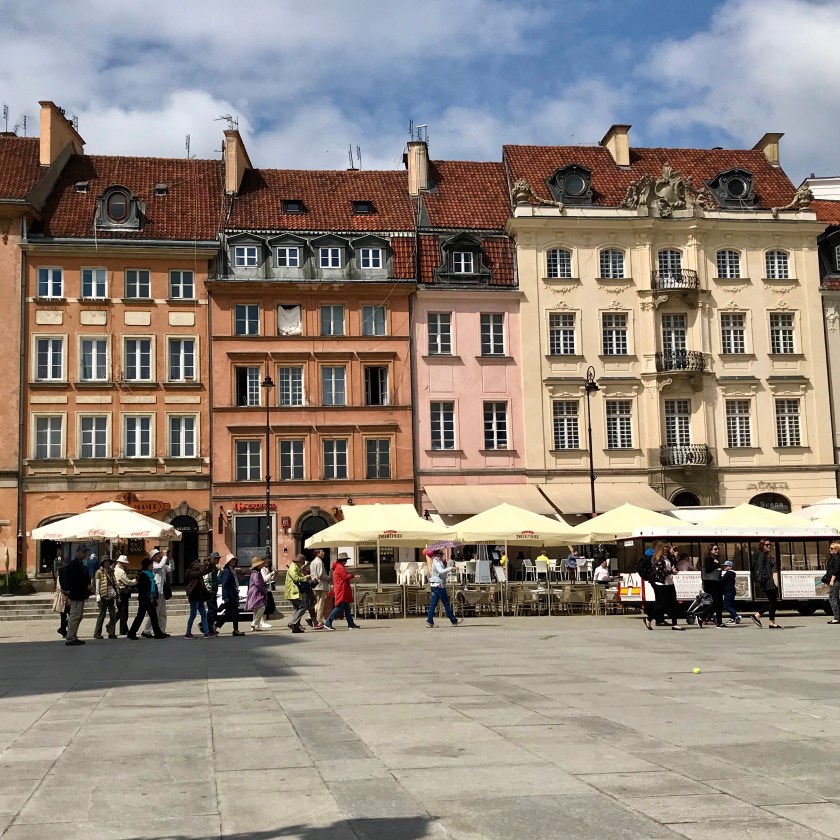
We ambled across town on the main drag past several imposing churches and the old mill.

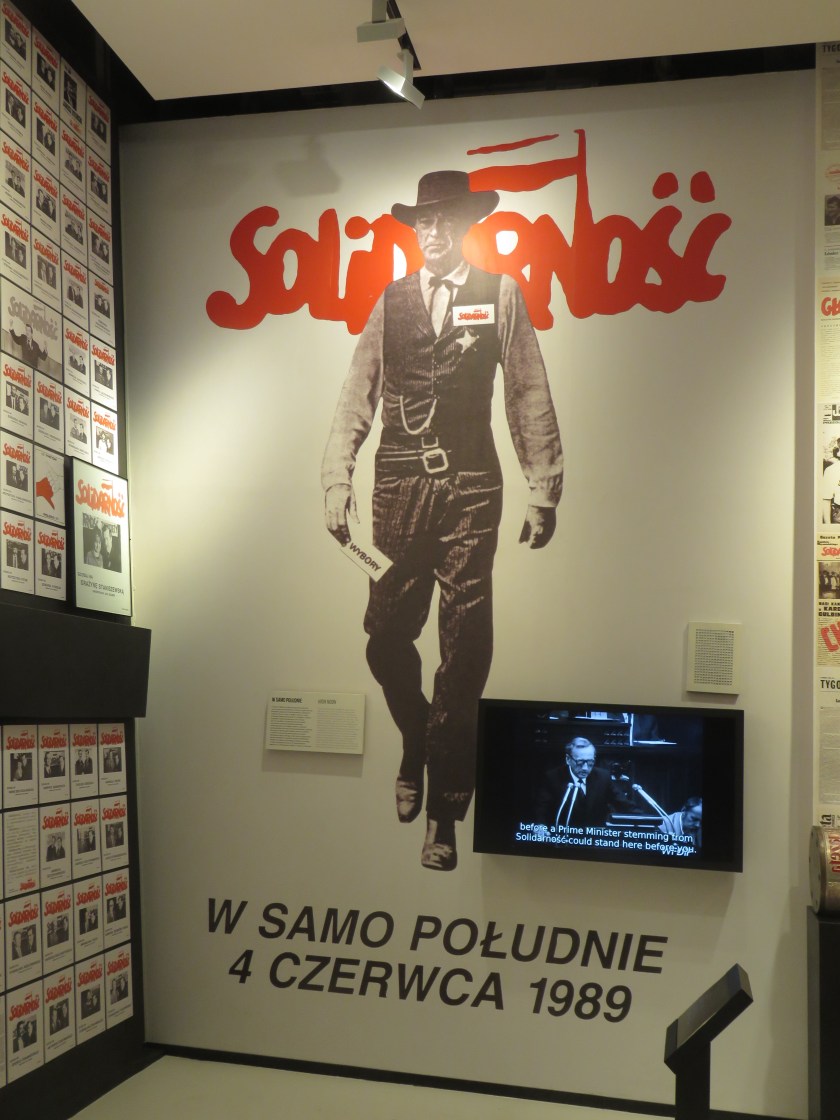
Next stop – the Solidarity Centre and the stirring monument erected by the shipyard workers to commemorate strikers who were killed by the police. The Solidarity Centre is located on the grounds of the old Lenin shipyard and is an extremely modern, high-tech museum. The Centre tells the story of the end of the Communist system in Europe. The exhibits are hands-on and high tech, probably one of the best museums around.

After a shipboard dinner in the harbour we searched out a restaurant we remembered from last visit for apple pie and Goldwasser. Home to our medieval lodgings in the shadow of St. Mary’s Church.

Warsaw So Long

After an informative and interesting talk over breakfast with our hotel owner we boarded another ultra modern Polish train and headed for Gdansk. Having thought ahead we had Polish donuts for lunch on the train.

Our charming hotel in Warsaw.

We checked into Gotyk House, which dates from the 15th century and apparently Copernicus’s girlfriend lived here. It’s been somewhat updated inside, but still has plenty of charm. After a brief stroll we headed to Schulb I Vino for a fabulous dinner.

A Walk in the Park

Being Sunday we thought it would be nice to take it easy so we headed to Łazienki Park which, through another miracle of Polish pronunciation is pronounced wan-zhehnKOV-skee. For a large city Warsaw has an amazing network of interconnected parks. We were able to walk the twenty minutes to the park without much time spent on roads.

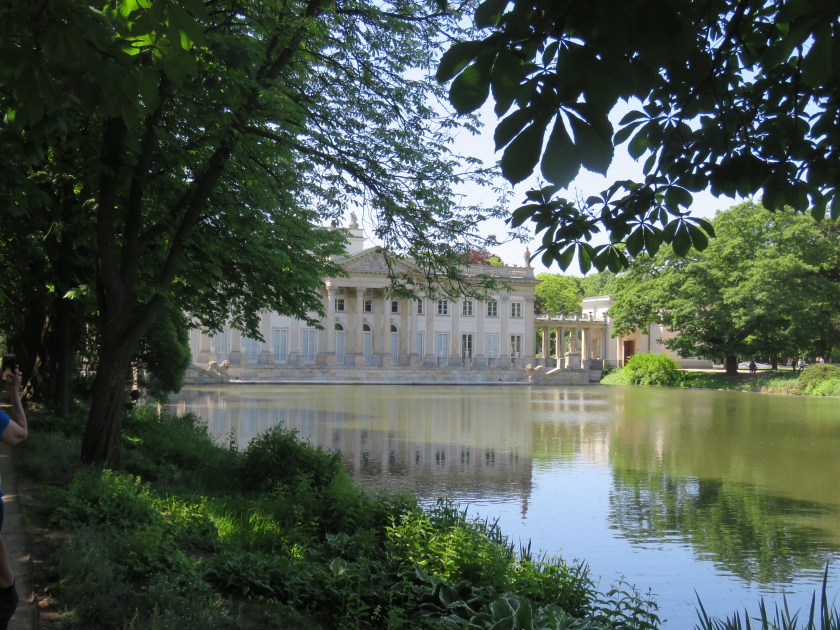
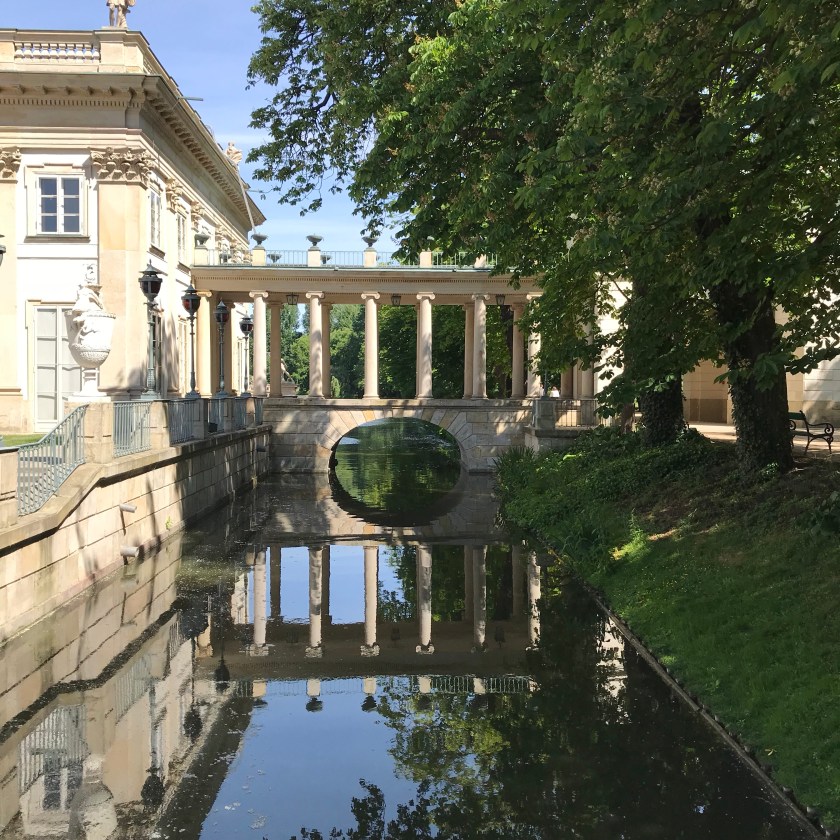
Łazienki Park is noteworthy for two things – the King’s summer palace and open air Sunday Chopin concerts. The summer Palace spans the lake.

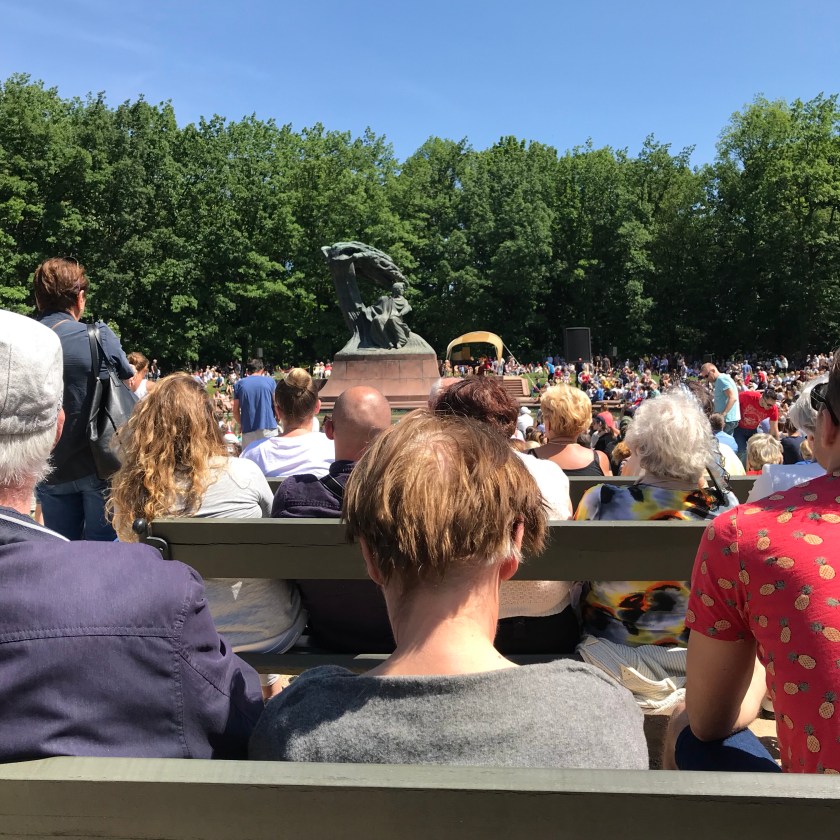
Having some time to kill before the concert we stopped for an ice coffee at Trou Madame, a little cafe in the park. The concert venue is an open air bowl with a large statue of Chopin sitting beneath a willow tree. We were lucky enough to find a bench as at concert time the place was packed. We enjoyed a pleasant hour of Chopin played by a very accomplished young woman.

Heading back downtown Dana and I noticed the grounds to the Warsaw War Museum were open so decided we wouldn’t mind having a look. The girls, having less than no interest went off on their own.

While Dana and I wandered the girls went exploring and ended up across the river at a neon museum.

Meeting up again we settled in for dinner at our favourite Polish restaurant chain – Bier Hall.

Walking Warsaw

We began our walking tour down the Royal Way. First stop the Copernicus Institute’s courtyard where we played our first Chopin bench. These black benches are spotted around the city at points that were significant to the composer’s life. Pressing a button on the bench, a snippet of a Chopin piano piece is played. Speaking of Chopin we tried to enter Church of the Holy Cross but could not as a service was in progress. The church houses the heart of the composer embedded in one of its columns. The rest of him resides in Paris at Pére Lachaise Cemetery. We stopped in for a quick peak in the Hotel Bristol, then headed down to Piłsudski Square to visit the Tomb of the Unknown Soldier.

Retracing our steps back to the Royal Way we headed into the Old Town Centre. It’s hard to imagine that after the war the entire Old Town and 85% of the city lay in total ruins.

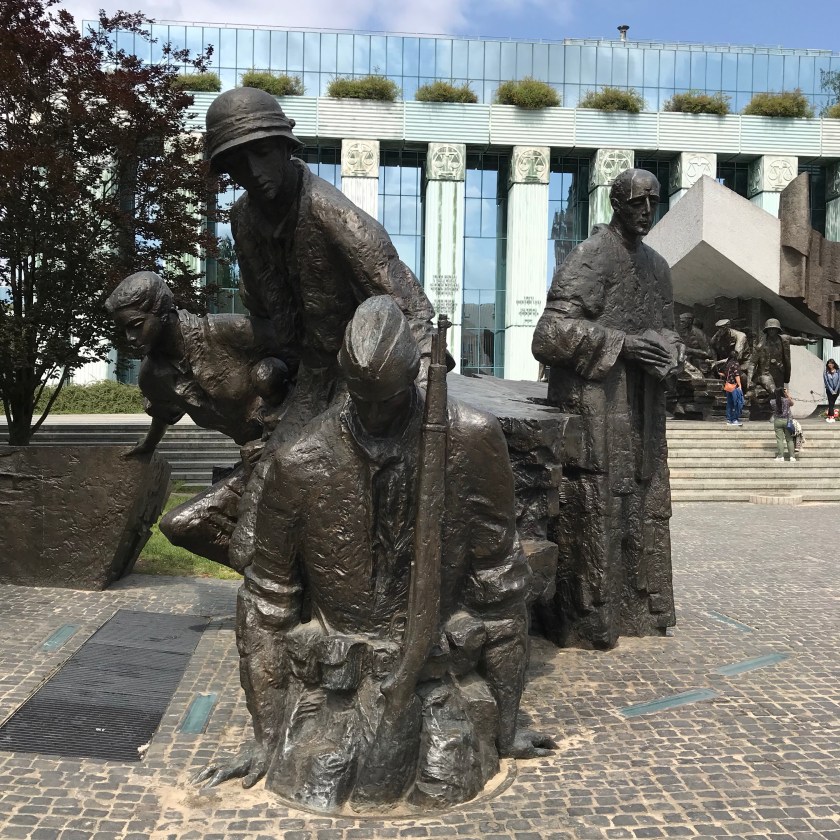
Passing through the Barbican we went in search of the memorial to the heroes of the Warsaw Uprising. This is one of 2 uprisings in the Nazi occupied city of Warsaw, the other being the Ghetto uprising. As the Russians approached the city the Polish Free Army rose up out of their hiding place in the sewers and fought the Germans for over a week. The Russians decided to let the Germans do their dirty work for them and stopped. When the uprising was brutally crushed the Russians finally moved in.

Heading back to our hotel we made one more stop for Páczki, rose-flavoured donuts, a Polish specialty, at a delightful Cafe decorated in Art Deco style.

Fairwell Kraków

With a somewhat heavy heart we checked out of unquestionably the nicest hotel we ever stayed in and probably one of the most expensive, but then we’re worth it. Leaving Kraków we were somewhat amazed at the difference 3 years can make, from an undiscovered gem to a budding tourist Mecca, it still holds much of its charm.

We boarded an ultra modern Polish train and were whisked off to the capital. We checked into the boutique hotel Chopin and were blown away by the enormous 2 room suite lavishly decorated with antique furniture. After a brief stroll down the Royal Way we headed back to our favourite restaurant from our last visit and somewhat to our surprise it was even better than last time.

Copernicus Institute.

The Polish Underground

Today we toured the Wieliczka Salt Mine. It was a good day to be underground as it was raining.

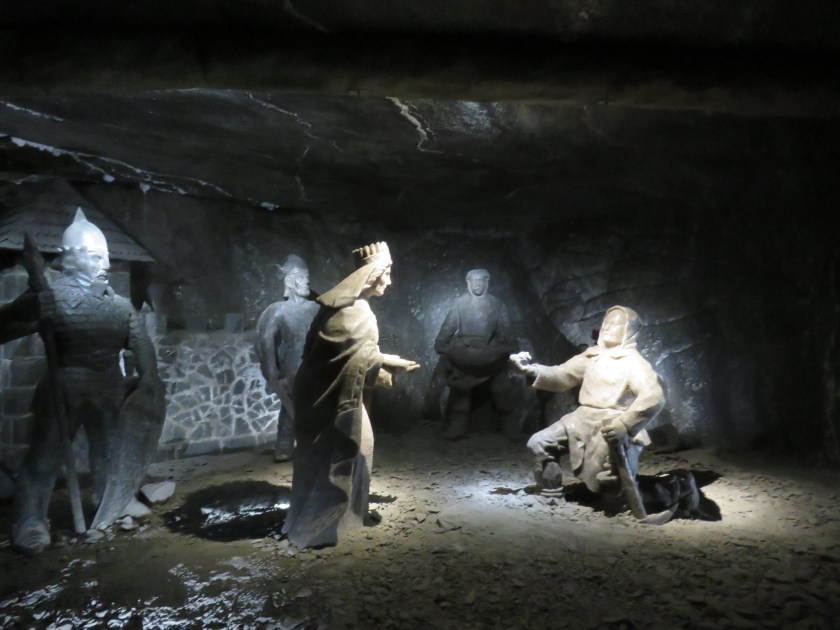
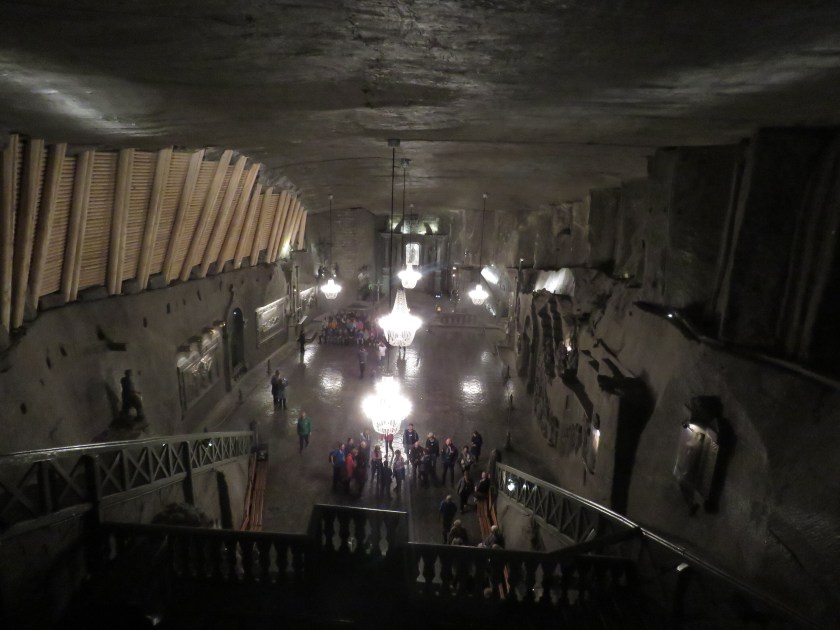
The medieval salt mines are a Unesco World Heritage Site. To get to the first level of the mine we needed to go down 360 vertigo inducing stairs. The mine, at its lowest level, is 329 meters below the surface. The fascinating thing about this mine is the carvings the miners did out of the salt. The mine and the tour are both amazingly well done.

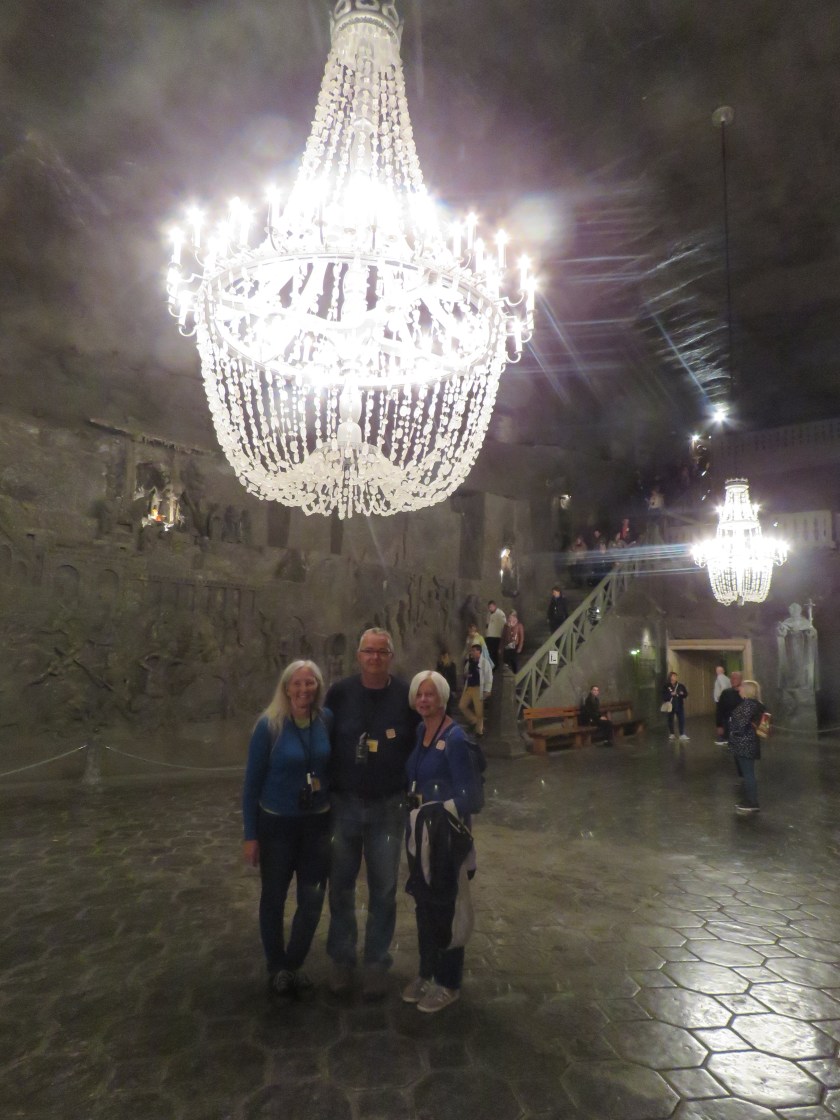
Everything from the tiles on the floor to the chandeliers are carved from salt. A quick elevator ride to the surface and back to Kraków.

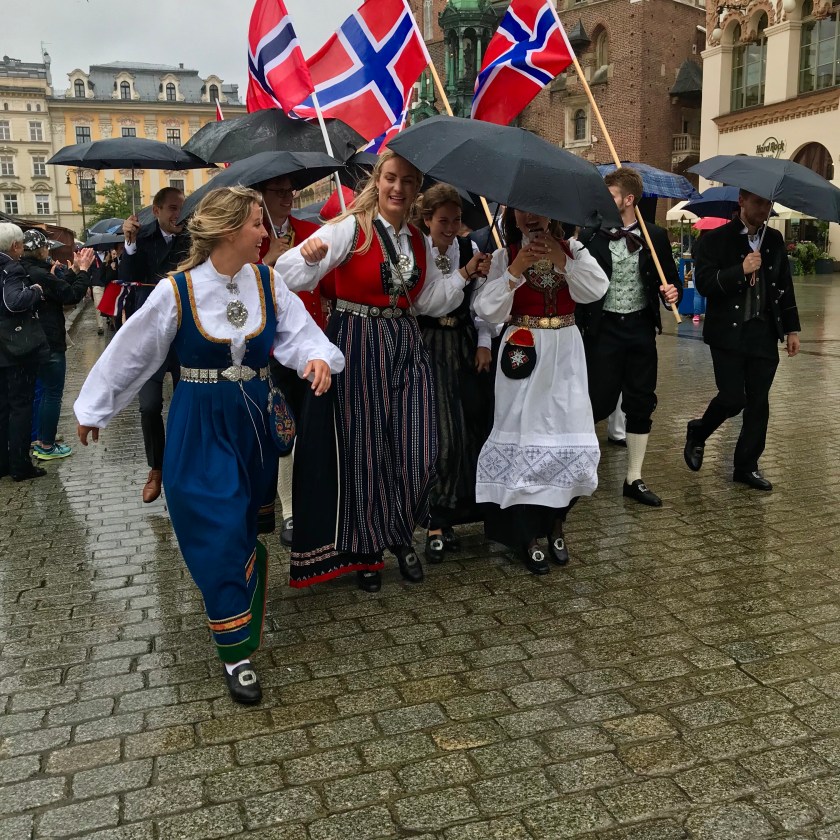
We were a bit hungry but because we had plans for the evening meal we headed to the Market Square where to our surprise a large “Happy Birthday Norway” celebration was in progress.

After a restful afternoon we set off for our Michelin starred restaurant – Kogel Mogel. In spite of the funny name this is one of the best authentic Polish restaurants in Kraków. We enjoyed an amazing meal that was, in spite of the Michelin Star rating and great ambience, amazingly affordable. The contrast between grilled sausage on an outdoor picnic table in the rain and a fancy restaurant is something I enjoyed. Back to our comfortable library lounge for a night cap and then bed.

A Dreary Theme for a Dreary Day

Dana and I were up early to catch our tour of Auschwitz-Birkenau. Judy and I went previously and the subject matter was a little rough for Liz so I accompanied Dana while the girls went off on their own. No matter your views on this memorial to the worst in mankind it is something that should be seen. It doesn’t get any easier the second time. Enough said.

On a slightly more cheery note the girls visited Oscar Schindler’s Factory which is now a first class museum. It’s more focussed on life in Kraków in the first half of the 20th century than it is on Oscar Schindler.

Meeting up with the girls for a late lunch at the Bier Hall Dana and I tried to wash some of the taste from our mouths. After a bit of a rest we went in search of a dessert shop Judy had found for some of the creamiest ice cream anywhere. Then back to the comforts of our hotel’s library lounge for a nightcap.